Alfetta Cooling Fan

Flex-a-lite model 390 10-inch S-Blade reversible electric fan

I think because my 1979 Alfetta Sprint Veloce has an air conditioner, engine cooling seems marginal when the ambient temperature is above 80 F (27 C).
When running at speed, the temp gauge indicates a normal 175 F. But when stuck in traffic, though the engine doesn’t overheat, the gauge goes halfway between 175 F and 250 F (79 C to 121 C).

I had the radiator checked at a radiator shop; they said there’s nothing wrong with it. I’ve bled the cooling system at the pump and thermostat and use Red Line Water Wetter in the coolant.

In an effort to help with cooling when the car isn’t moving, I replaced the stock electric fan with a new one. My reasoning was that a fan with a modern design might be more efficient. I bought a Flex-a-lite 390 S-Blade Black 10″ Electric Fan. It’s a 10″ fan that advertises 775 CFM. The space behind the radiator doesn’t allow dual fans or a larger fan. The new fan doesn’t seem to make an difference in cooling.

I also thought about using the new fan to replace the one in front of the A/C condenser but I wasn’t sure I’d be able to remove the old fan without removing the radiator and A/C condensor. I know the old fan won’t come out through the gills below the bumper. I haven’t removed the grills yet. I cleaned a few bugs off the condenser, but even when the A/C fan is on, I can’t feel much air coming through if I put my hand behind the radiator.

Fiamm Horns

Fiamm 3 Trumpet Riviera Horns

For some reason, I wanted Fiamm horns. It has something to do with owning an Italian car, seeing all those movies shot on the Cote d’Azur and Rome, and for some reason, associating Fiamm with Italia. Maybe it comes from my Fellini period.

I bought Fiamm 3 Trumpet Riviera Horns. The triple horns are powered by a 12V+ air compressor. Connectors, tubing and a relay are included in the kit.

On my Alfa Romeo Alfetta Sprint Veloce, I mounted the 3 horns on the inside of the front section of the wheel well, behind the right side headlights.

Fusina Steering Wheel, Alfa Romeo horn button

To mount the compressor, I used the existing bracket that had one of the OEM horns mounted to it. I had to ream out the hole and bend the bracket 90 degrees. For power, I used the existing 12v+ for the horn and added a ground wire. There is a slight delay while the compressor spools up when I press the horn button.

What it sounds like.

Ferrari Building a Smaller, Lighter, Quicker Enzo

Photo by Thomas doerfer

kianet over at Digg writes about a Wired story: “The go-fast gurus at Ferrari are working on a successor to the jaw-dropping Enzo that could be the lightest, quickest two-seater ever to roll out of Maranello.Ferrari sees lighter cars as the best way to reach its goal of increasing fuel economy 40 percent and reducing emissions 25 percent without compromising its reputation for performance.

My Alfetta’s curb weight is around 2700 lbs (1227 kg) and has about 110 hp (82 kW). I wonder what a 2200 lb (1000 kg) car that has 600 hp (447 kW) would be like.https://commons.wikimedia.org/wiki/User:Thomas_doerfer

(photo courtesy lozwilkes) read more

Too Many Wires

Alfa Romeo Sprint Veloce Audio Wiring

Since Kenny gave me the Alfa, I’ve had about three or four head units, connected to the two Kenwood KAC-7200 power amplifiers under the rear seat. Over the years, I’ve managed to screw up the wiring, so I decided re-wire it correctly, since I put in a freshly rebuilt 65 amp alternator (the stock alternator is 45 amps).

The first thing I did was connect two 10 gauge wires from the alternator to the battery charging circuit. For the power amps, I ran a new 12 gauge wire with an inline fuse from the battery to a relay.

Kenwood KAC-7200
Kenwood KAC-7200

This relay is switched on by the head unit when it is powered on using the wire from the Clarion that provides a positive 12 volt signal to the amplifier’s turn-on input.

Alfa Bodywork with PaintScratch.com

PaintScratch.com paint

The driver’s door on the Alfa had a nice parking lot ding in it and rocker panel behind the front wheel well looked like Swiss cheese. Once again, I decided to fix something that professionals should be doing.

After sanding the dents and rot to bare metal, I used fiberglass, bondo and a polyester glazing putty to try to get everything straight. My Makita Orbital sander really helped in getting the edges of the glaze smooth. I used #320 disks for the finish sanding, though I had tried hand sanding before with up to #600. I couldn’t really feather the edges without the orbital sander.

Newly painted front door compared to existing paint on rear fender

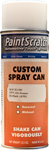
Seth Malcolm, on the Senior Six Registry mailing list, mentioned PaintScratch.com a couple of months ago. I found the Alfa Romeo paint code (which was also on the trunk lid label) at the Veloce Registry. PaintScratch didn’t have the Alfa Romeo AR901 (Nero), but when I sent them the Alfa and Ditzler code, they offered to make a spray can for me for $25 (US).

After two coats of primer, I painted the door and rocker panel with the Paintscratch single stage paint. I had to use a heat gun to keep the surface around 70 degrees, because the temperature here was in the low 50s.

Newly painted Alfa Romeo Alfetta Sprint door and lower rocker panel

With four light coats, the color match is very good considering the original paint is twenty-eight years old. My results were a little orange peely (see top piture), but I’m pretty sure I don’t know how to paint. Paintscratch says on their web site that their “paint requires a final polishing with rubbing compound to make the paint glossy,” so I’ll give it a week or two to settle down before I compound it.

The rocker panel repair came out alright – but the dent repair looks OK if you’re near-sighted, don’t have your glasses on and you look at it from 10 feet away.