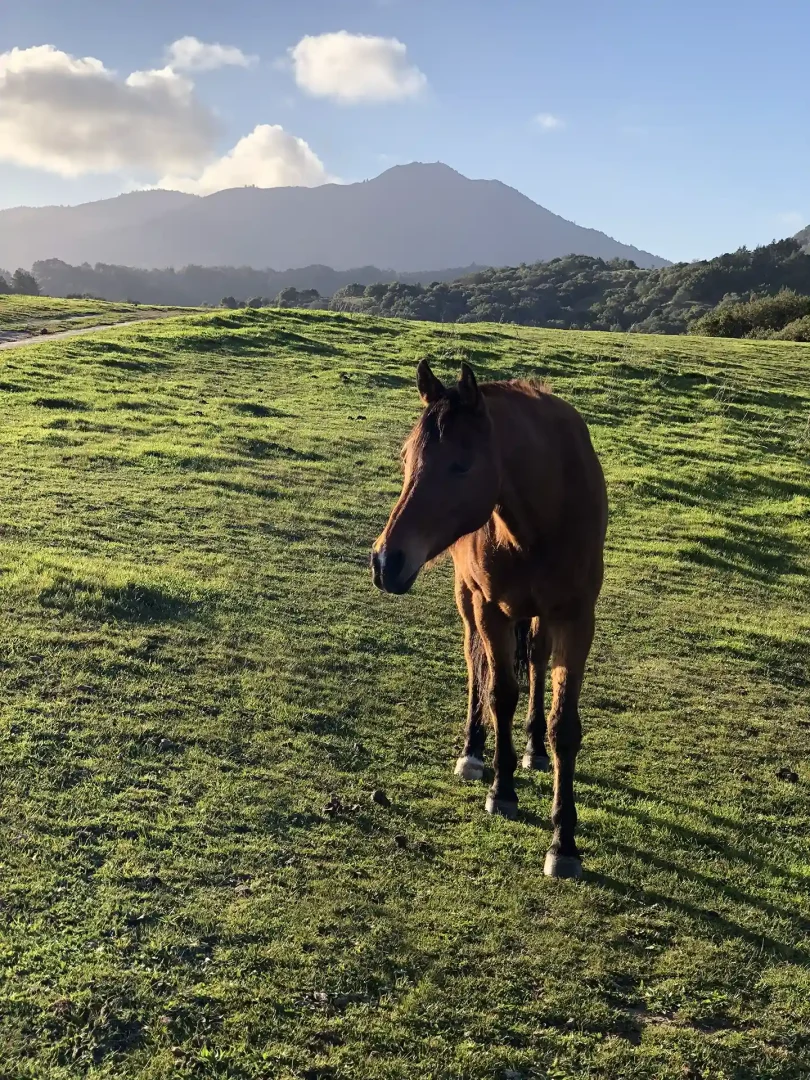
A horse on Horse Hill Preserve. Mt Tamalpais is in the background
I ride my bike around this hill a couple of times a week. The three-month chronicle below shows the cycle of California’s famous ‘golden hills.’ After the winter rains, the Horse Hill Preserve starts March in a vibrant green, but as the dry season sets in, the grasses cure into the striking amber ridges you see by June.
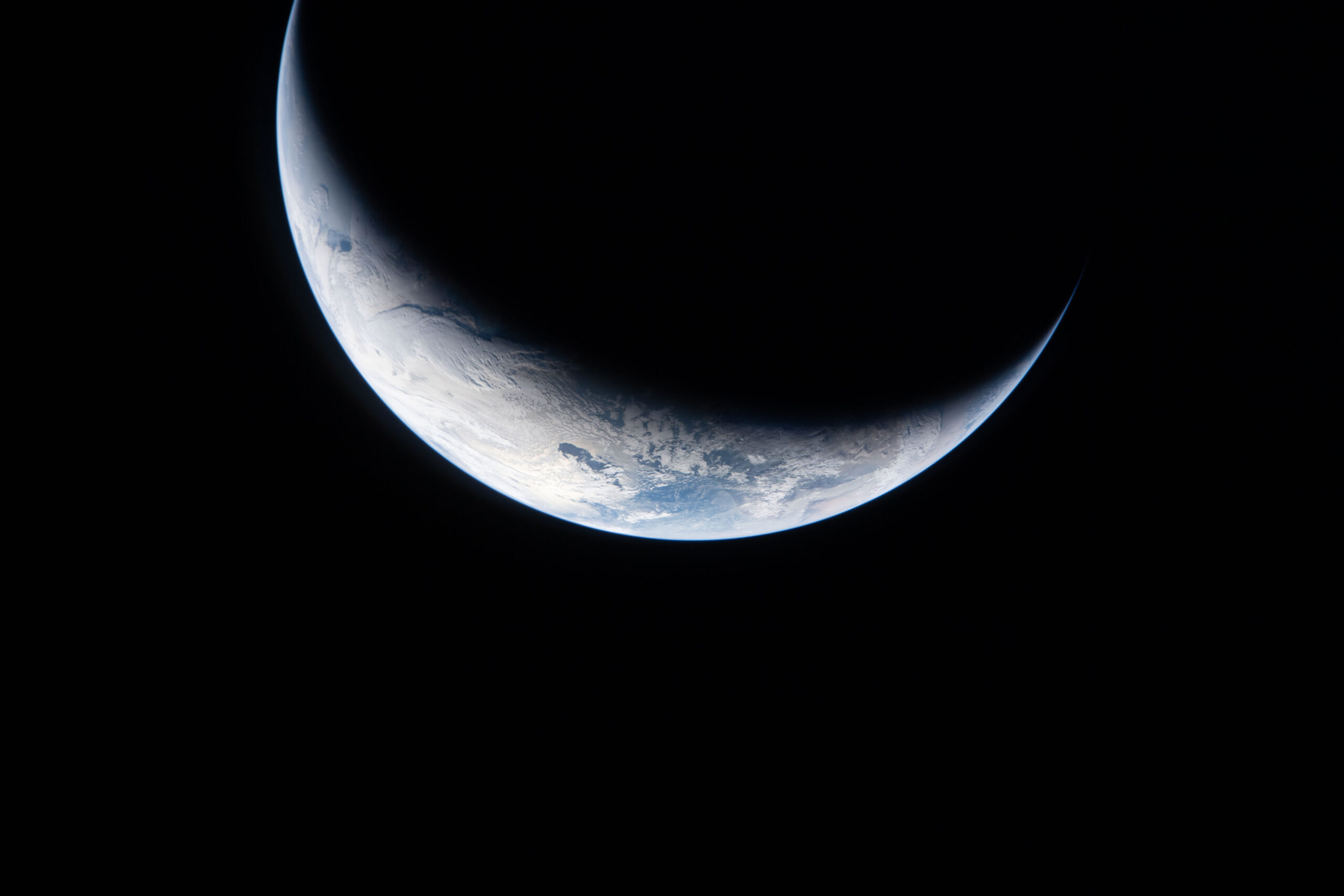
Earth, photographed by Astronaut Christina Koch. EXIF data at the bottom of this post
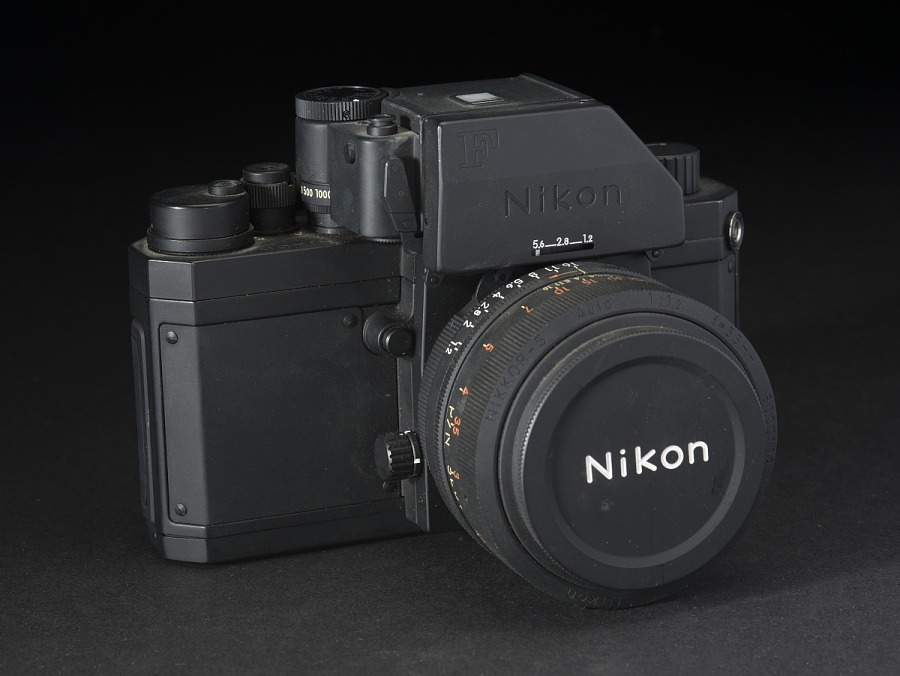
Camera, Nikon F, Dummy (Courtesy National Air and Space Museum) A working version of this specially modified Nikon was used on the Apollo and Skylab Programs
Artemis II photographs were seen all over, after NASA released them in April 2026 at the end of the mission. Alan Taylor curates photography at The Atlantic and it’s always interesting. He did a page of Moon Joy: Photos From Artemis II on April 7, 2026.
I’ve been a Nikon user since the mid-1970s, about the same time NASA started using them on the Apollo missions. Though most of the famous photographs taken on the surface of the moon were taken with Hasselblads, there were Nikon FTNs that were also used in the Apollo command modules for photography. (The Nikon Photomic FTN: A Camera for the Ultimate Shooting Environment — Space)
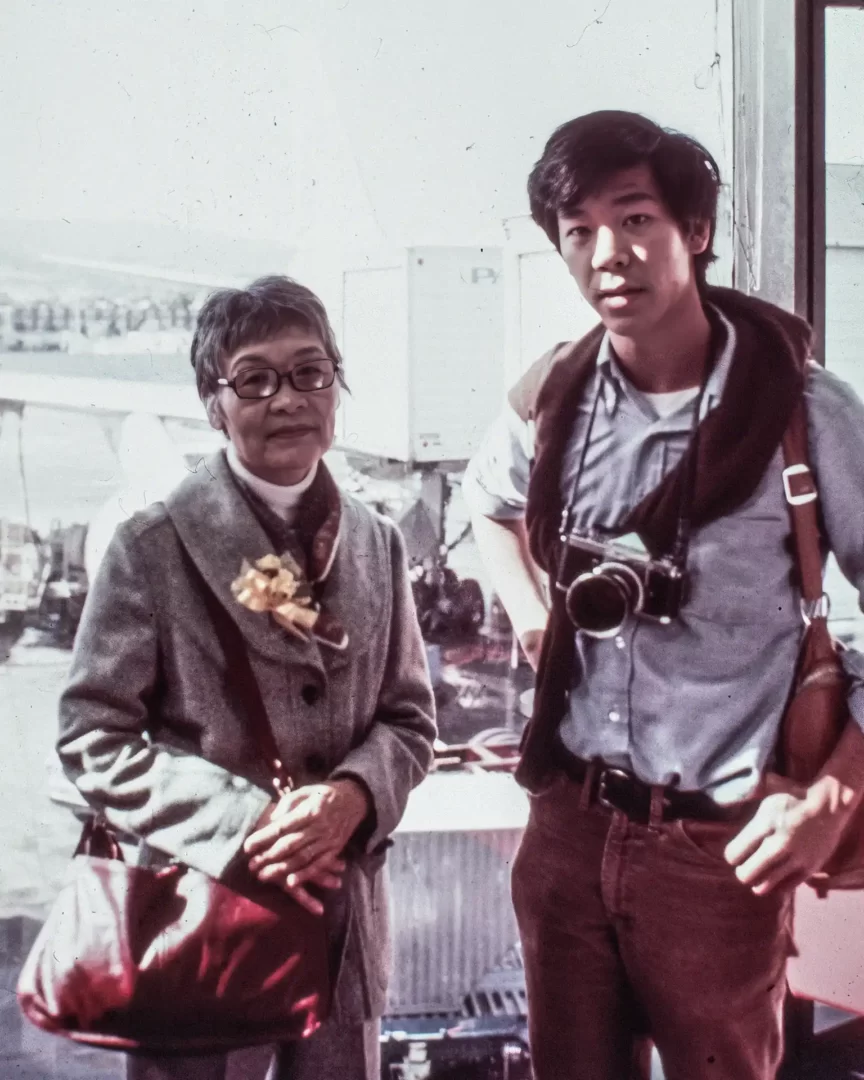
Sophia Wong (Leslie Wong’s mother) and Leslie Wong at SFO, 1975, before departing for China.
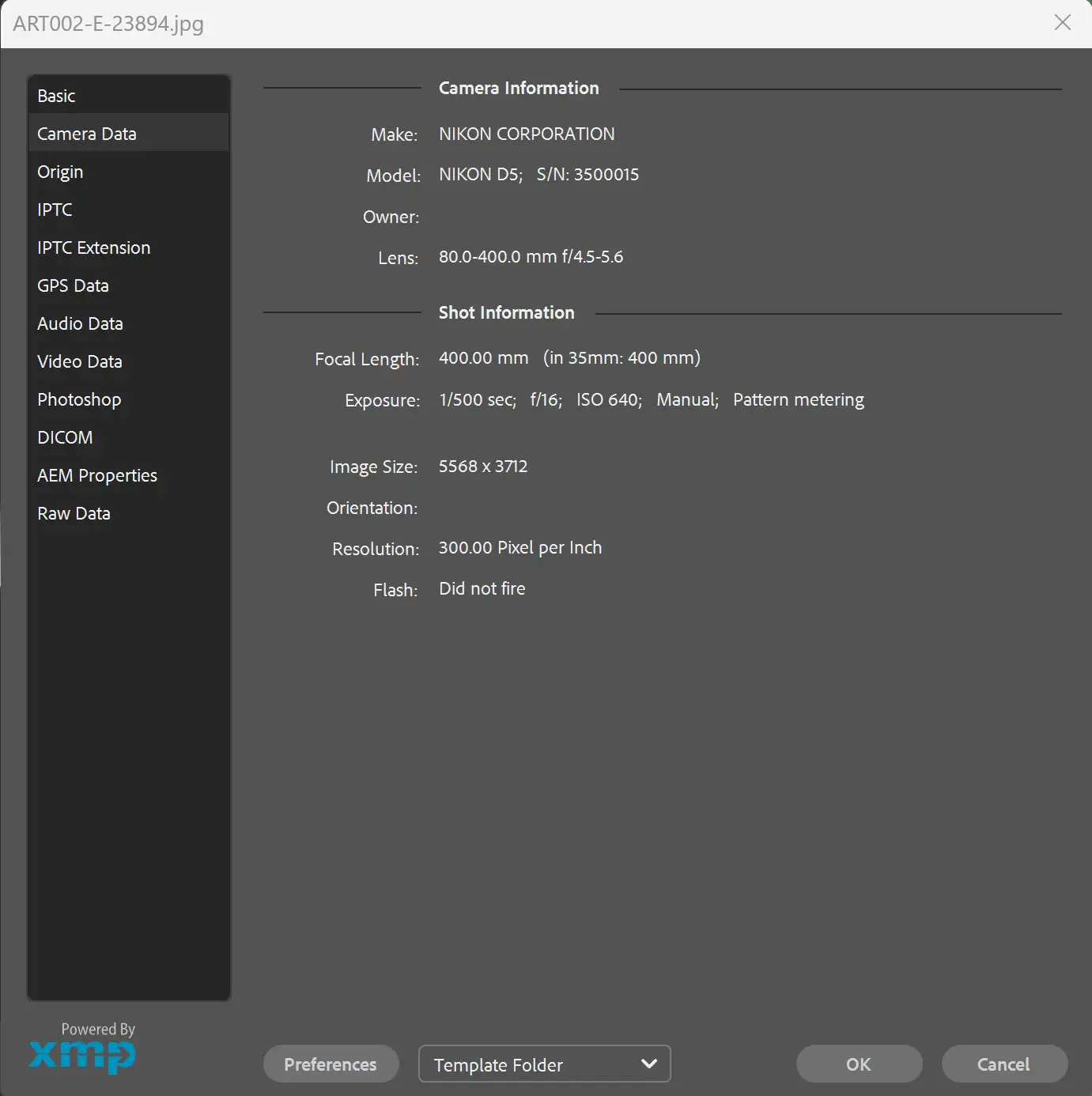
As a former photographer, an interesting thing about them is that the images from NASA still have the EXIF information embedded in the images. For the image of the earth at the top of this post, NASA Astronaut Christina Koch used a Nikon D5 and an AF-S NIKKOR 80-400mm f/4.5-5.6 G ED VR lens.
Adobe Photoshop EXIF information from Artemis II photograph FD03_Returned_1021_D5_015_Koch
In the late 1950s to the early 1960s, from kindergarten to the sixth grade, I was a student at Crocker Highlands Elementary School in Oakland,
The Oakland educators must have been forward looking, because I remember taking a Strong Vocational Interest test (Strong Vocational Interest Blank). I also received a bunch of small pamphlets distributed by the New York Life Insurance Company Career Information Service. (Link to Career opportunities; a series of articles designed to help guide our children to a better future on the Internet Archive) There were titles, “Should You Be…” an Accountant, an Actuary, an Aeronautical Engineer, etc. And “Should You Go Into…” Advertising, Agriculture, the Construction Business, etc.
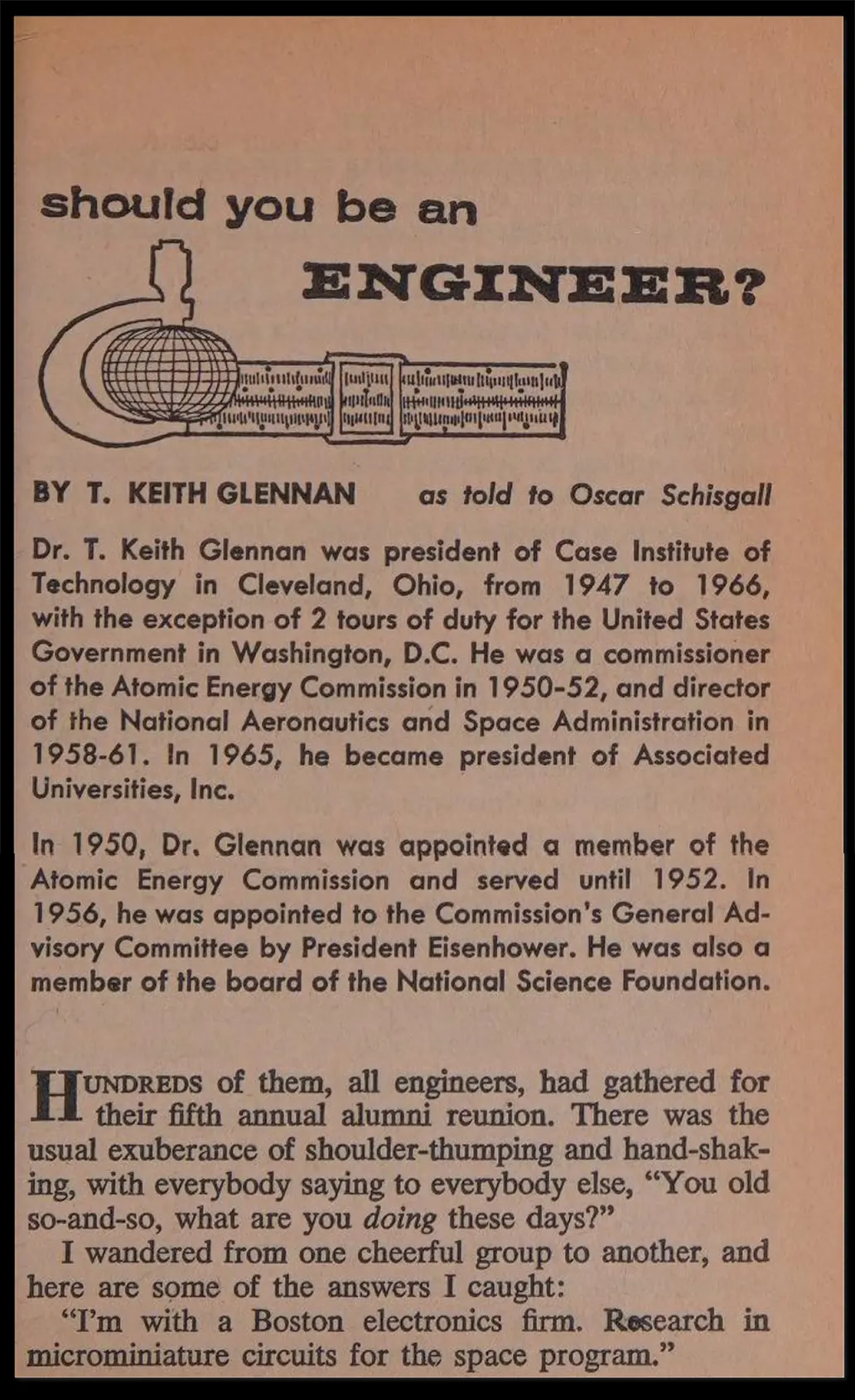
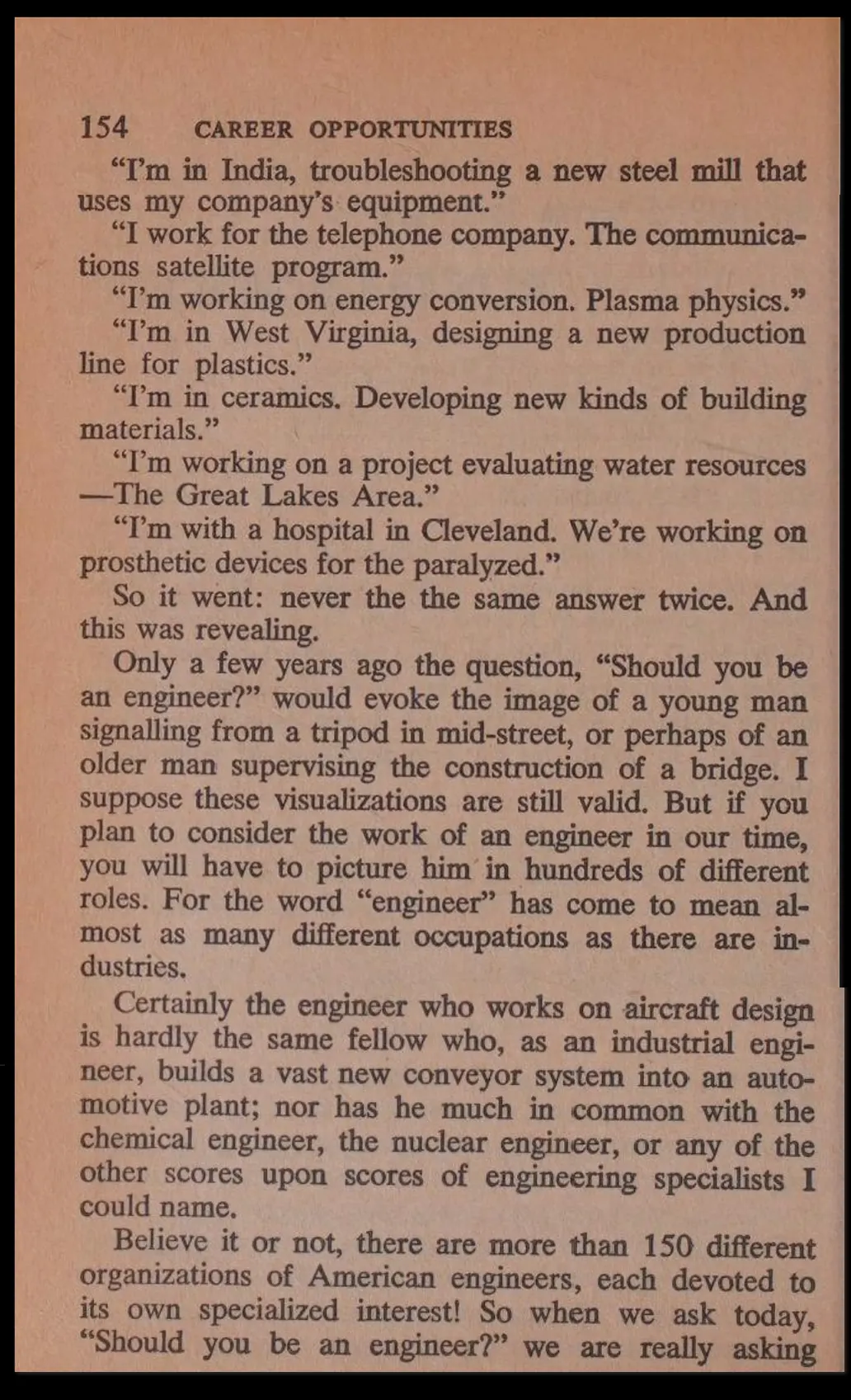
One pamphlet in particular stood out: ‘Should You Be an Engineer?’ It was one of the things that seems to have pointed me towards engineering through high school and my college applications.
Should You Be an Engineer, T. Keith Glennan; New York Life Insurance Company; career information service; 8th revision; September 1966. An excerpt from the 8th revision (1966) of a New York Life Insurance Company career information service pamphlet
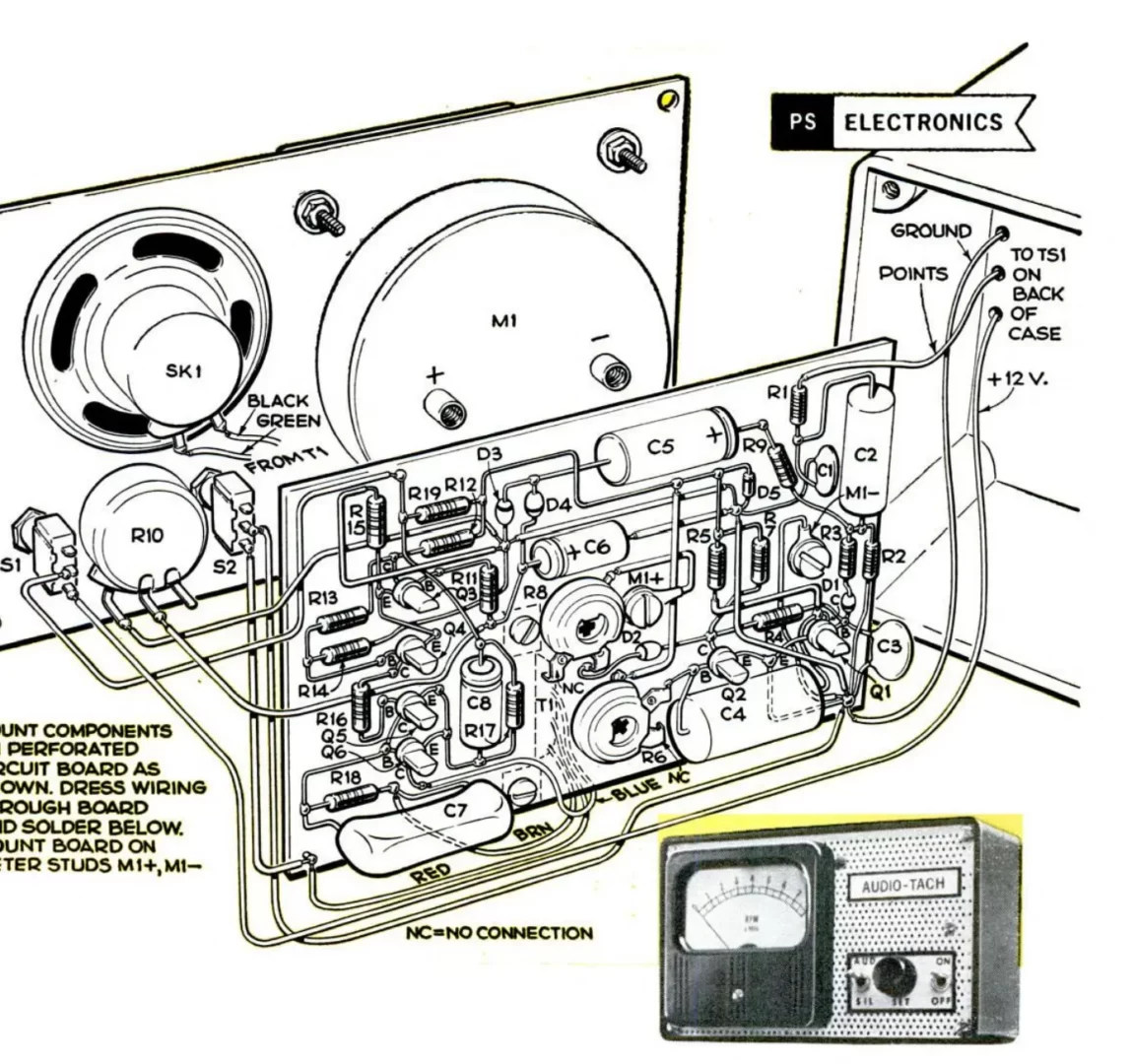
I liked making things. I carried around this Popular Science Audible Tach project for weeks while I worked on it in my Electronics class in high school. We also built power supplies and amplifiers from vacuum tubes. I still have the schematics. My electronics teacher at Oakland High, Mr. Ferguson, piqued my interest in engineering by explaining that an engineer might create a device to measure the temperature differential on a leaf.
From Popular Science, December 1968, page 121; Audible Tach for your car or boat;
I was an A or B student in math, physics and chemistry so accordingly, I applied to the engineering programs at UC Berkeley, Caltech, MIT and Harvey Mudd. I was accepted only at Berkeley.
In the fall of 1970, I started at the College of Engineering at Berkeley. My first quarter, I took Math 1A, Engineer 1, Philosophy, Art History, and Asian Studies. My advisor told me it was too heavy a load, but he let me do it. It may have been my downfall. I didn’t realize it at the time, but I was trying to learn a new mathematical language (Calculus) and a new machine language (Fortran) while simultaneously writing papers for three different departments.
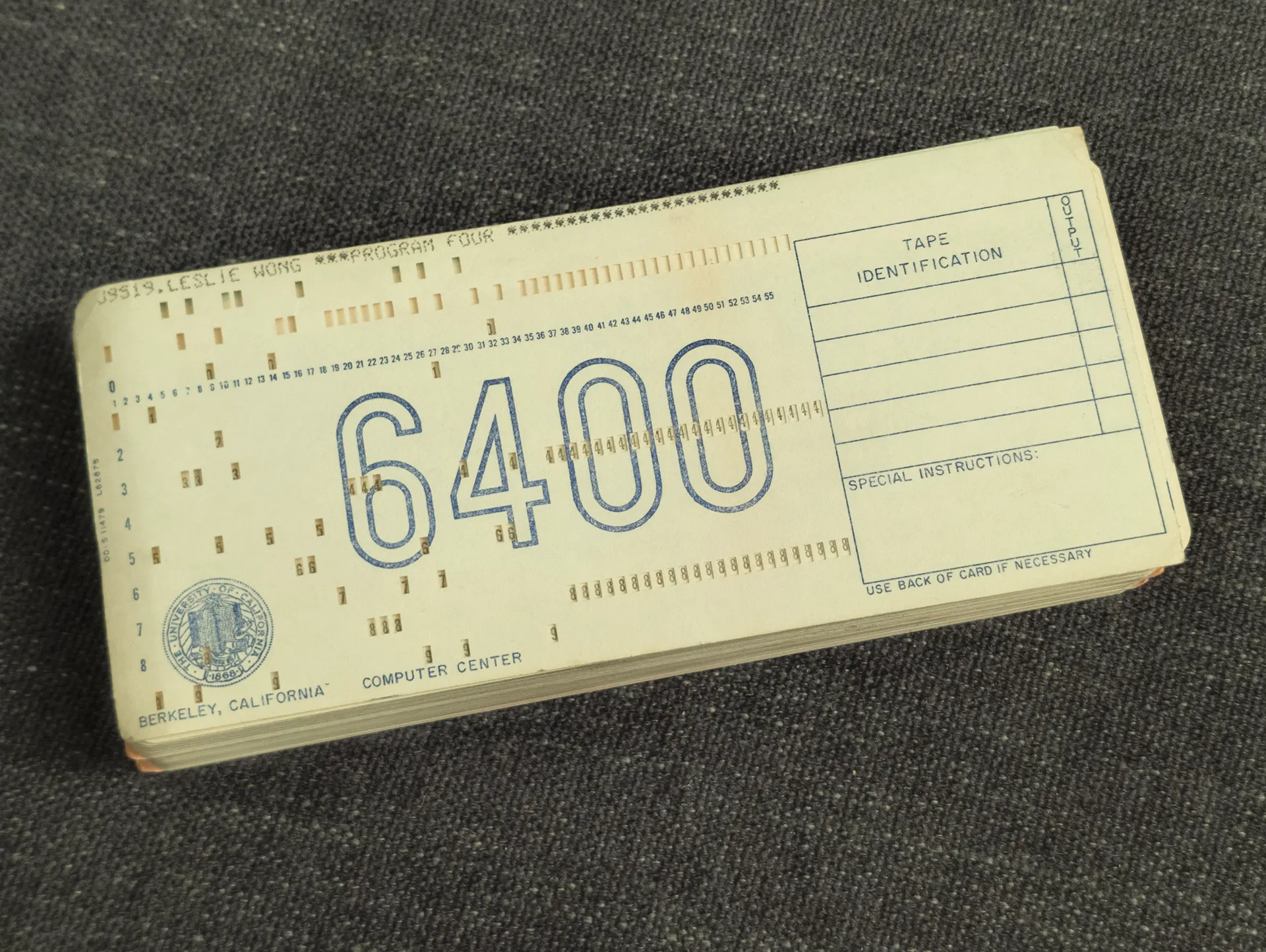
Engineering 1 was something like Computers and their Applications. We learned Fortran IV, used an IBM 029 Keypunch to write the code to punch cards, then submitted the deck to Computer Center. The next day, you’d pickup your green-and-white striped printout.
I learned how to jump the line at the Computer Center using a remote terminal that produced your program on paper tape. Gemini says was likely a Teletype Model 33 ASR.
My engineering education at Berkeley didn’t last too much longer.
I half thought about photographing the “blood moon” eclipse on March 3, 2026 because the next one isn’t going to happen until December 31, 2028 (and it won’t even be visible in California). The next full lunar eclipse that will be visible in California is June 26, 2029. I’ve made a couple of previous attempts.
Because totality wouldn’t happen until ~3:00 AM PST, I was hoping it’d be overcast in my location because of the Marine Layer (the natural air-conditioning that makes the coast of California a nice place to live), but when I went outside around 11:00 PM (PST), March 2nd, the sky was clear.
I grudgingly pulled out my 40-year-old Gitzo 320 Studex Performance tripod paired with a similarly old Arca-Swiss B1 Ball Head. The last film camera I bought as a professional photographer was the Nikon F4s but as a hobbyist, the last serious camera I bought was a Nikon D500, 10 years ago.
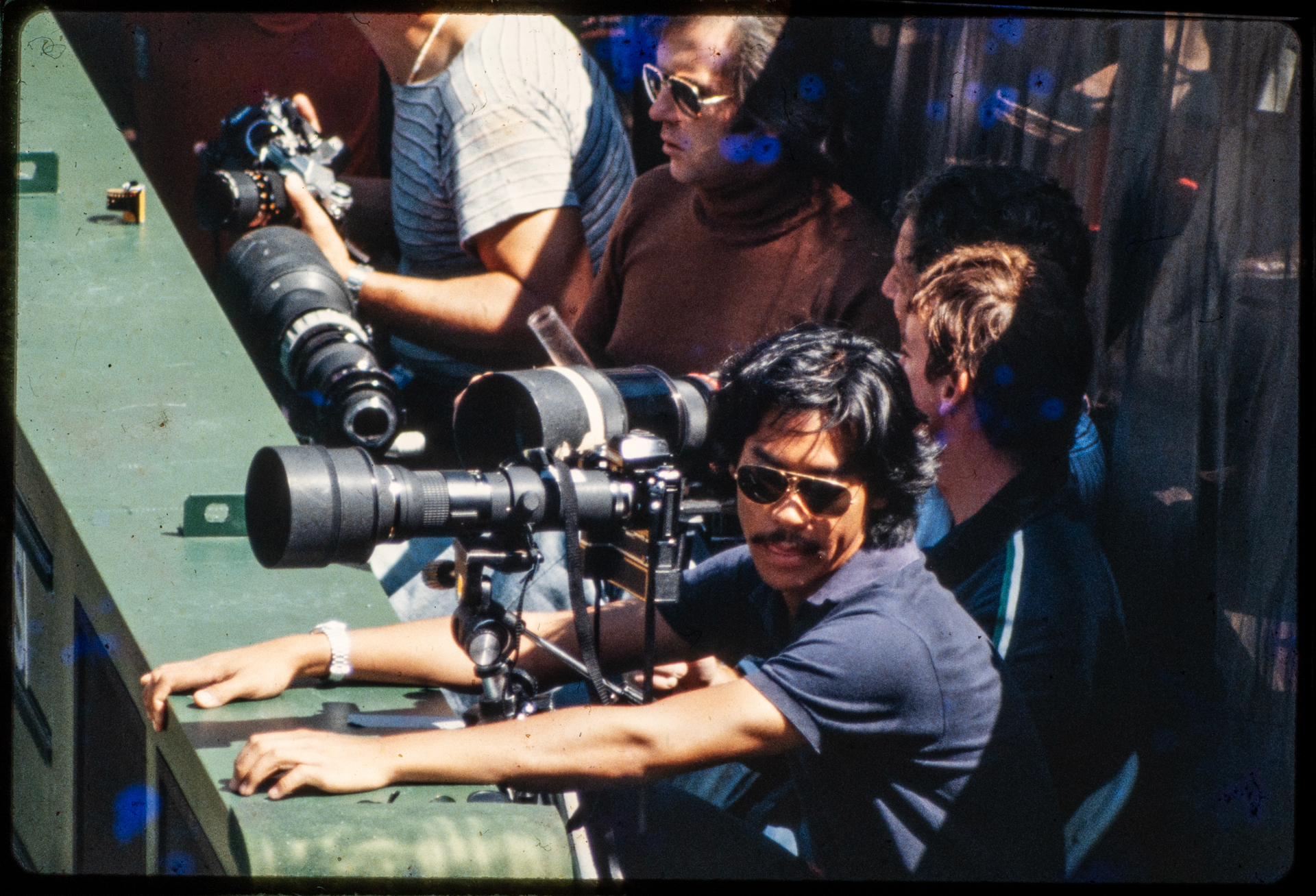
Photographer Leslie Wong (with sunglasses), at the 1978 US Open (tennis) with a Nikon F2 and a Nikkor ED 600mm 1:5.6 IF AI. Photo by Joe McNally
In my professional photography career, I have never owned a big lens. From the late 1970s to the 1990s, whenever I needed one at an event, Nikon Professional Services was there to lend them. Also, I never had the scratch to buy Nikon 300mm, f2.8 let alone a Nikon 600mm f4. Consequently, my longest lens is a Nikon Nikkor 300mm f/4.5 AI-S, which, according to this Nikon lens database, was made in the late 1970s. It was probably a big purchase for me when I was a poor, struggling photographer in New York City in the late 1970s.
Thus equipped, I set up in front of the house and started taking photos a little after 2 AM, when the earth’s shadow started to creep over the moon.
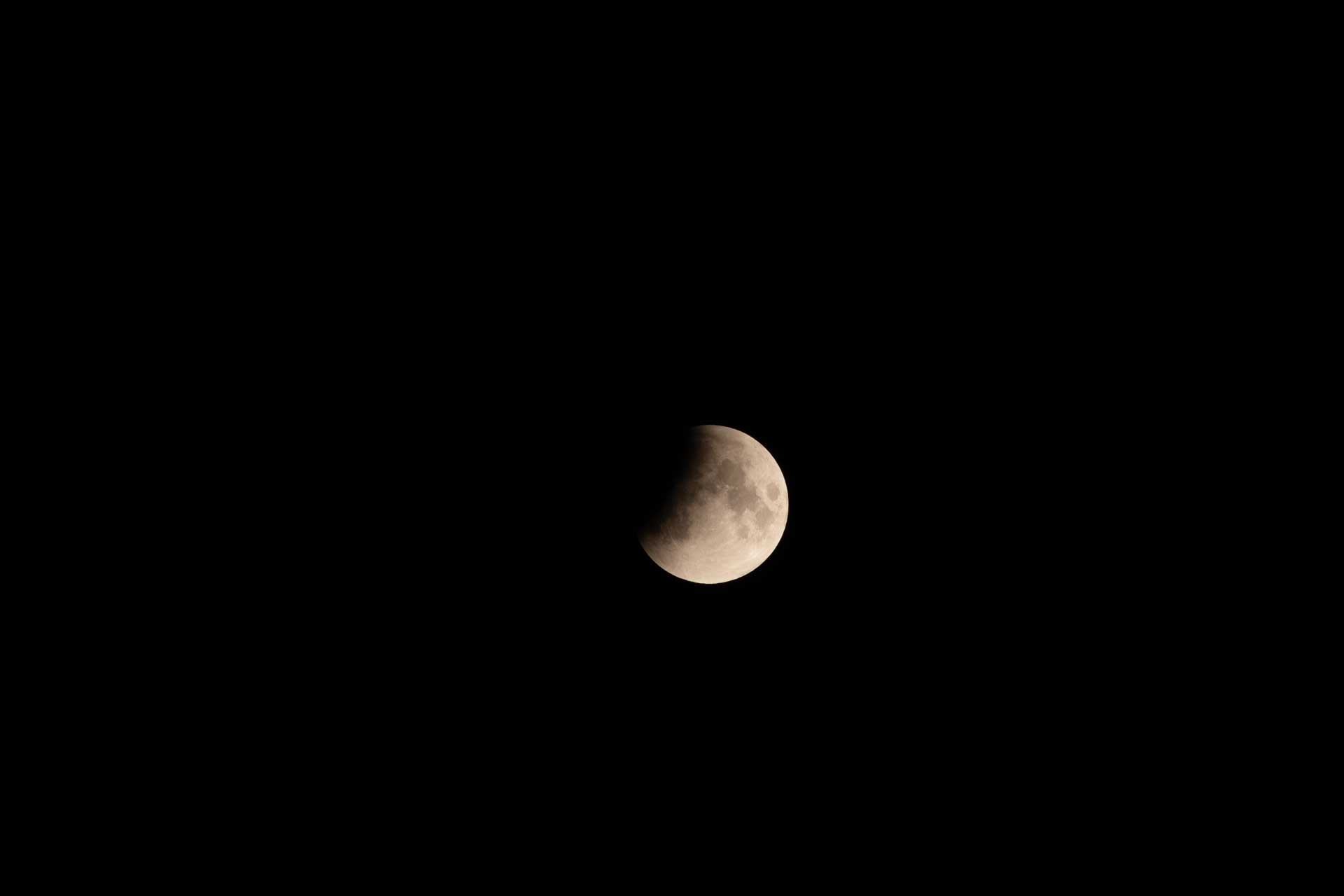
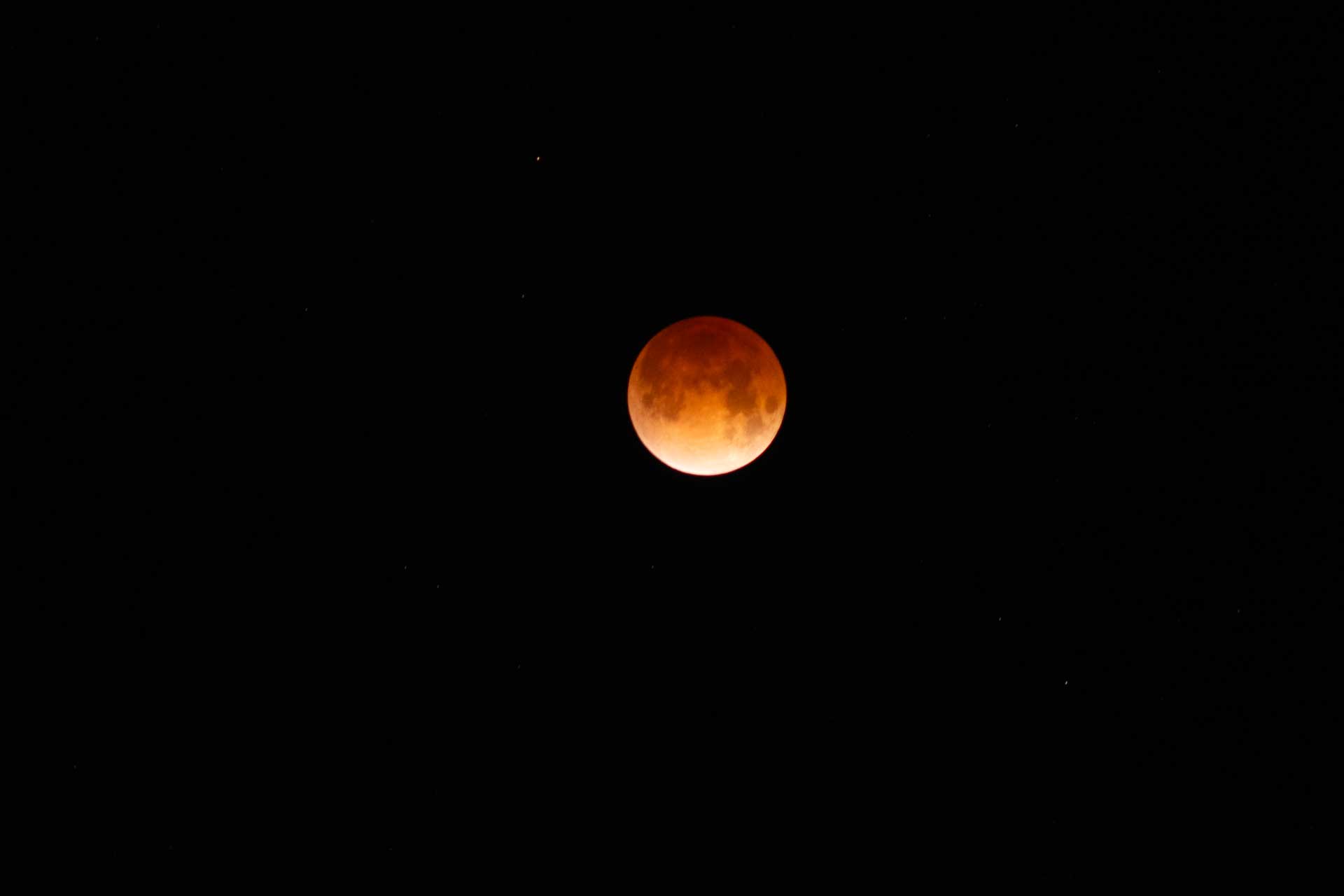
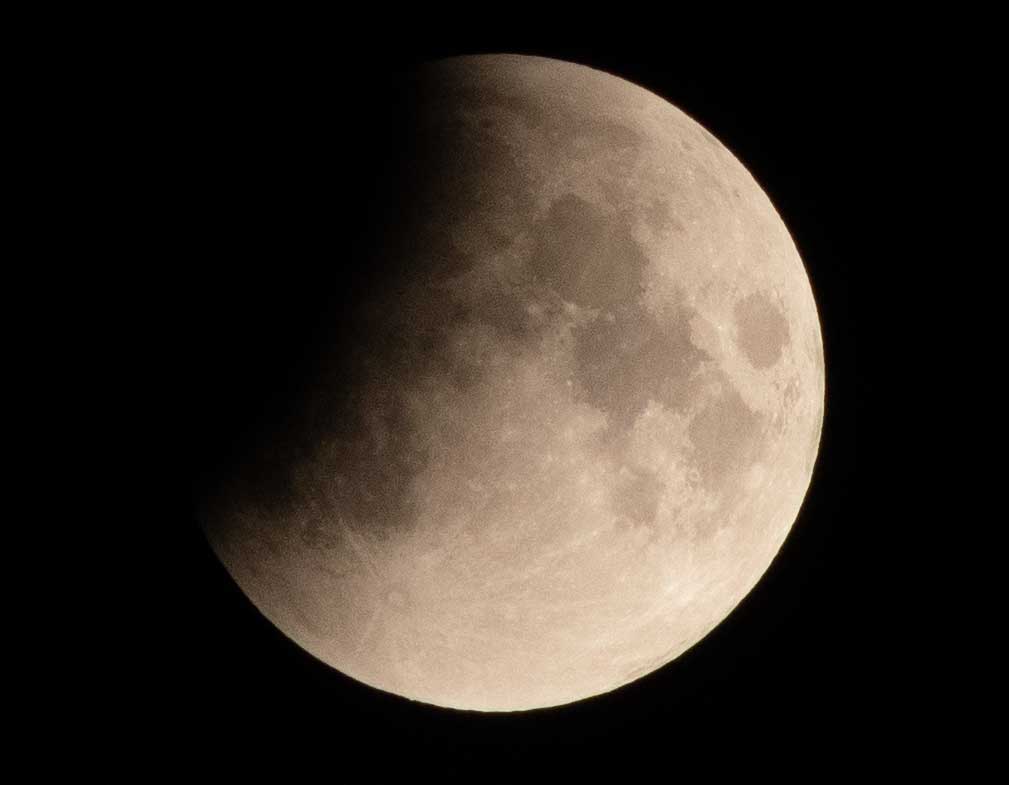
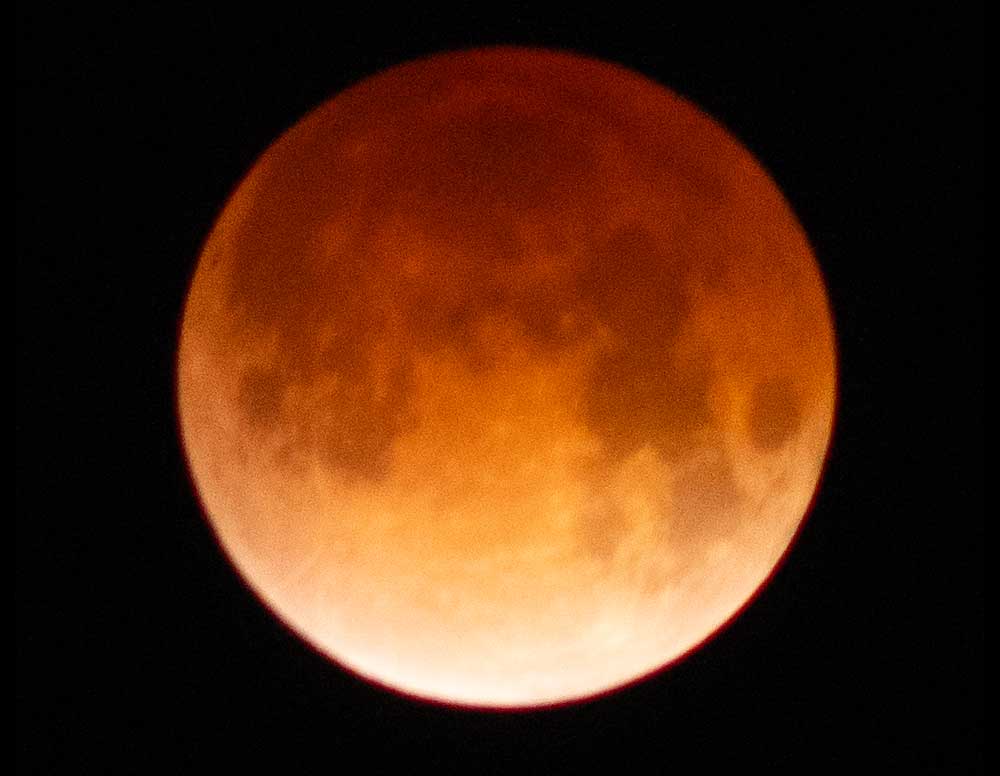
Side by side, the images show the contrast in color between the beginning of the eclipse and full “blood” moon. My disappointment came when I looked at the images at 100% – the full image size.. The first photo was sharp; the exposure was 1/1000 sec @ f11, ISO 800. The full eclipse exposure was ¼ sec. @ f5.6, ISO 1600 and it was blurry. For the long exposures, I used the self-timer delay of 2 seconds, which seems to have not been enough time for the camera to settle down. If I were a careful photographer, I also would have locked up the mirror before taking the photo or used a higher ISO setting. Hopefully, I’ll remember this in 2029.
Lunar Eclipse, 2:03 AM PST, March 3, 2026, 1/1000 sec @ f11, ISO 800 (sharp image)Lunar Eclipse, 3:15 AM PST, March 3, 2026, ¼ sec. @ F5.6, ISO 1600 (blurry image)
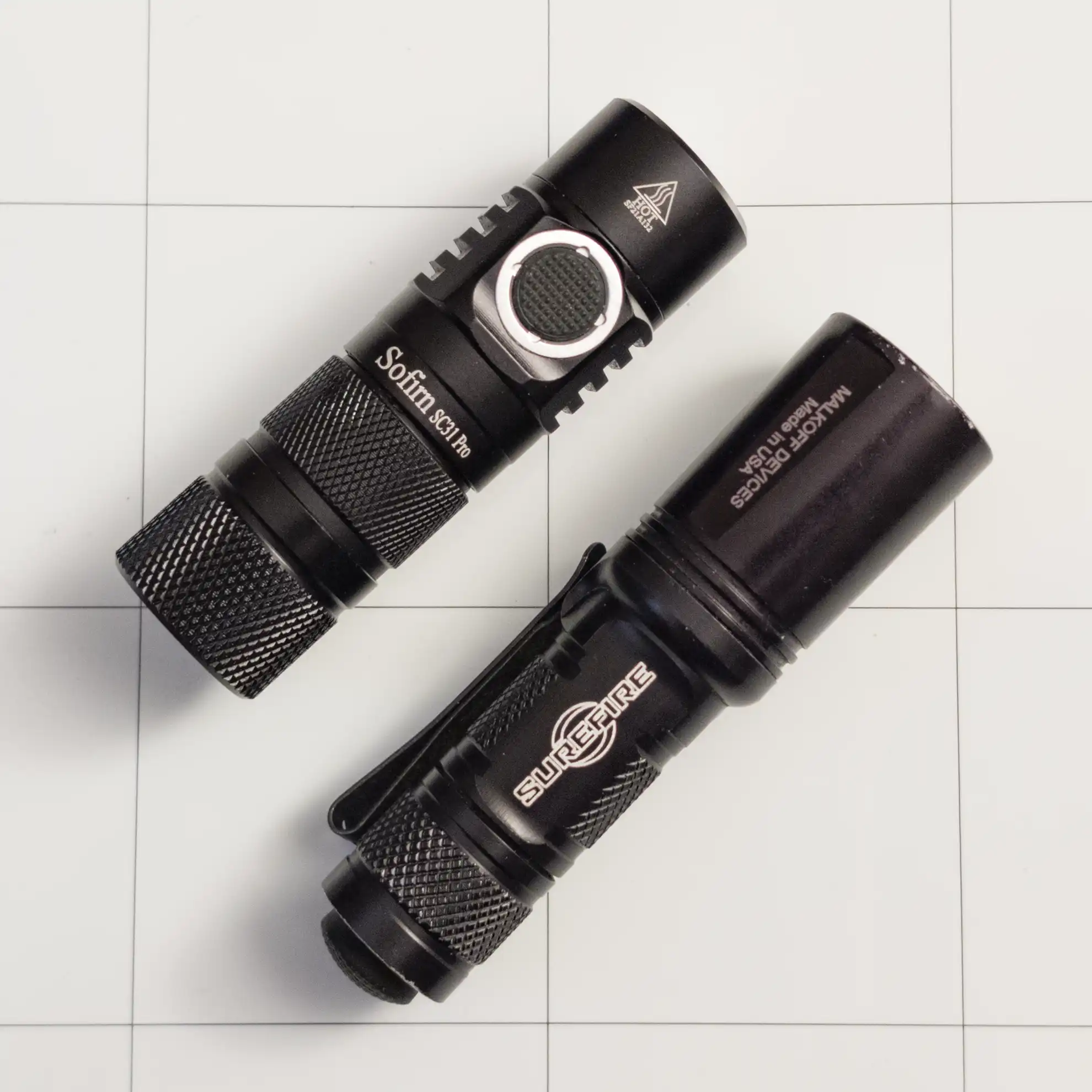
(Note: I know the Sofirn SC31 Pro was first reviewed in 2020, so I apologize for being yearsbehind)
In 2018, I got a good deal on eBay for a Surefire E1B-MV E1B Backup (MaxVision) Flashlight. My plan was to use the body with a Malkoff Devices MDC Li-ion LMH V2 Cool Head. I carried this for years, until, on a trip to New York last December, I forgot it in a friend’s apartment. Fortunately, he FedExed it back to me the next day, but it got me thinking about the replacement cost if I had lost it.
I looked on eBay for recently sold Surefire E1B-MV E1B flashlights. One sold in January 2026 for $150. Currently, the Malkoff MDC LMH Head is $103+shipping. That made me start thinking about an “I won’t cry if I lose it” (that’s what ChatGPT called it) replacement.
I used ChatGPT and Gemini to start searching for a cheaper replacement. I started out comparing 14500 flashlights, even though I ended up getting the Sofirn. Using AI saves a lot of time finding and comparing things.
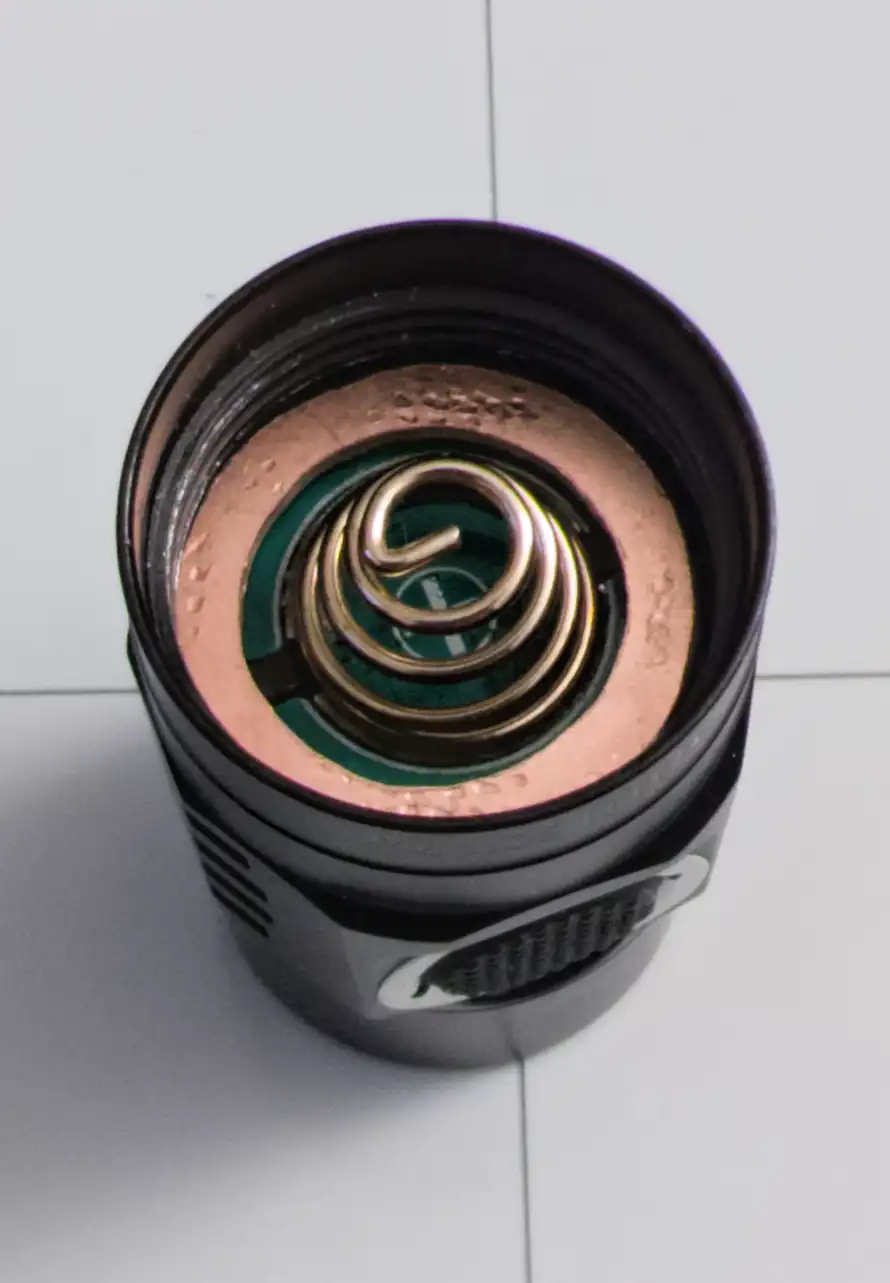
Sofirn SC31 Pro head with modified copper washer to allow Convoy 18350 tube to make contact
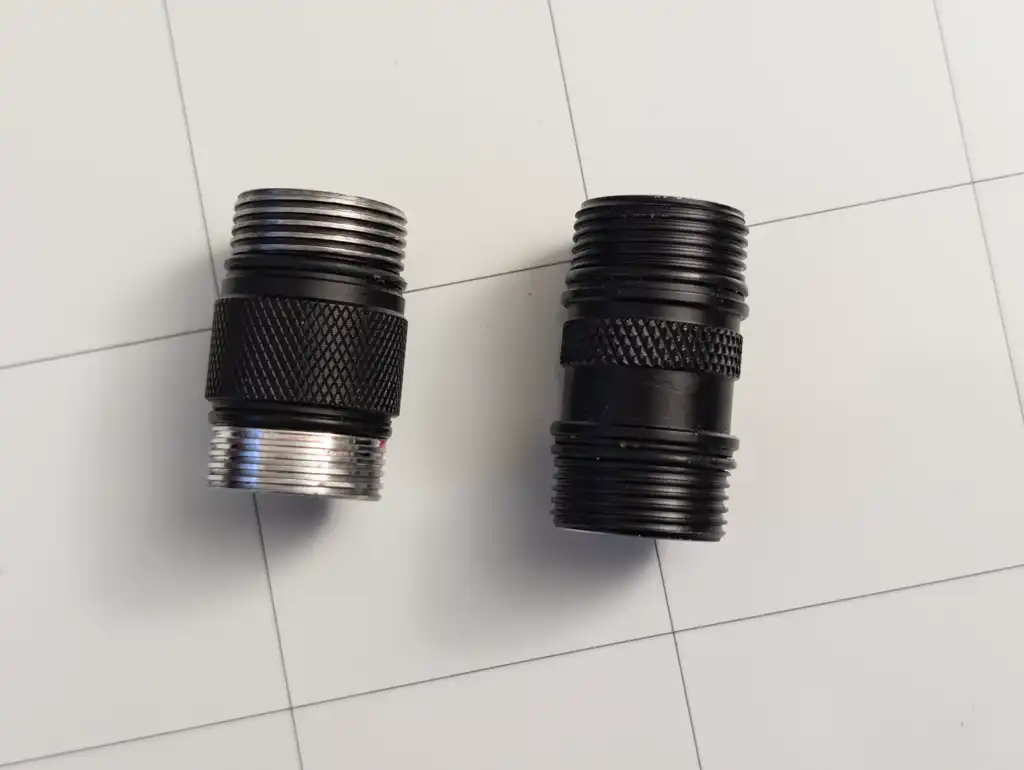
When I got the Convoy short tube, the flashlight wouldn’t turn on when the end where the pocket clip attached was closest to the tail cap. I assumed it was the anodizing, so I removed some of it from the threads, but it still didn’t work. A little more research revealed that the end of the Convoy tube wasn’t making contact with the circuit board in the head.
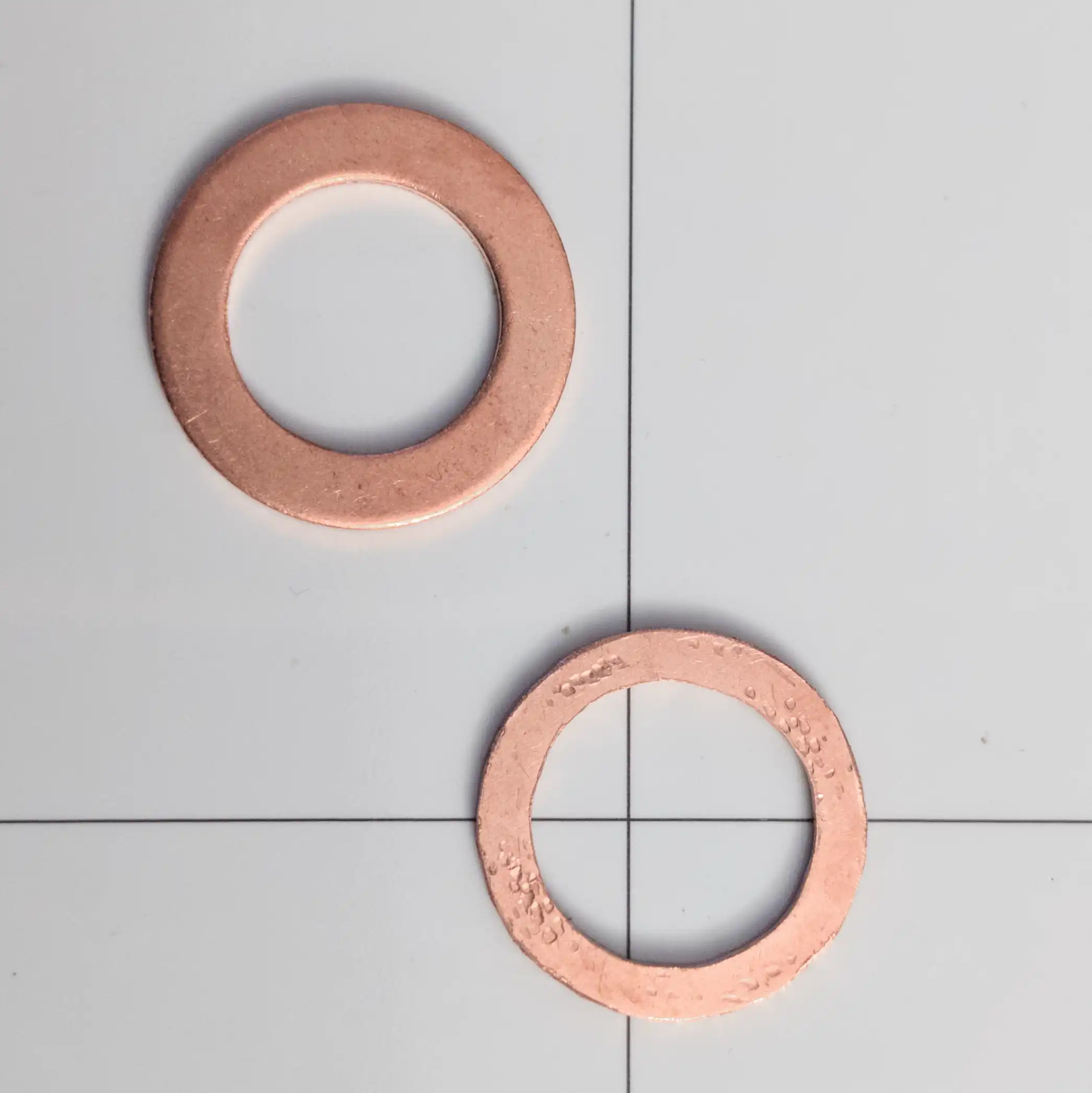
I thought a copper washer would be ideal. The closest thing I could find (with the amount of effort I wanted to put into looking for it) was a copper gasket (washer) that’s used with an oil drain plug on a car. I found some close to the diameter of the head and figured I could Dremel it down to fit. I ended up getting an O’Reilly Dorman AutoGrade Oil Drain Plug Gasket – 097-827CD.
O’Reilly 097-827CD copper gasket (L), copper gasket modified to fit in Sofirn SC31 Pro
Using a Dremel 407 Sanding Band (affiliate link) and holding the washer with a small vise grip (affiliate link), I tried to reduce the diameter of the washer while creating a somewhat round shape that would fit inside the SC31 Pro head. I also removed some of the material from the inside of the washer, so it wasn’t so close to the positive (spring) contact in the head.
The final mod I’ll do is to replace the LED, because of the slight green tint.
Manage Consent
To provide the best experiences, we use technologies like cookies to store and/or access device information. Consenting to these technologies will allow us to process data such as browsing behavior or unique IDs on this site. Not consenting or withdrawing consent, may adversely affect certain features and functions.
Functional
Always active
The technical storage or access is strictly necessary for the legitimate purpose of enabling the use of a specific service explicitly requested by the subscriber or user, or for the sole purpose of carrying out the transmission of a communication over an electronic communications network.
Preferences
The technical storage or access is necessary for the legitimate purpose of storing preferences that are not requested by the subscriber or user.
Statistics
The technical storage or access that is used exclusively for statistical purposes.The technical storage or access that is used exclusively for anonymous statistical purposes. Without a subpoena, voluntary compliance on the part of your Internet Service Provider, or additional records from a third party, information stored or retrieved for this purpose alone cannot usually be used to identify you.
Marketing
The technical storage or access is required to create user profiles to send advertising, or to track the user on a website or across several websites for similar marketing purposes.